Musayid (world)
| |||||||||||||||||||||||||||||
| See also | UWP | ||||||||||||||||||||||||||||
style="width: 220px; height: 250px;"
Jump map from Travellermap.com [1] | |||||||||||||||||||||||||||||
| System Details | |||||||||||||||||||||||||||||
| Primary | K5 V | ||||||||||||||||||||||||||||
| Worlds | 23 | ||||||||||||||||||||||||||||
| Gas Giants | 4 | ||||||||||||||||||||||||||||
| Planetoid Belts | 1 | ||||||||||||||||||||||||||||
| Cultural Details | |||||||||||||||||||||||||||||
| Government | Charismatic dictatorship | ||||||||||||||||||||||||||||
| Law Level | Extreme | ||||||||||||||||||||||||||||
| Cultural Extension | C699 | ||||||||||||||||||||||||||||
| Army Size (BEs) | 300 | ||||||||||||||||||||||||||||
| Economic Details | |||||||||||||||||||||||||||||
| Technology Level | 5 | ||||||||||||||||||||||||||||
| Economic Extension | A75+2
| ||||||||||||||||||||||||||||
| Importance Extension | -2 | ||||||||||||||||||||||||||||
| Resource Units | 700 | ||||||||||||||||||||||||||||
| GWP (BCr) | 447 | ||||||||||||||||||||||||||||
| World Trade Number | 3.5 | ||||||||||||||||||||||||||||
| Trade Volume (MCr/year) | 260 | ||||||||||||||||||||||||||||
| Starport Details | |||||||||||||||||||||||||||||
| Classification | Class-E | ||||||||||||||||||||||||||||
| Port Size | 3 | ||||||||||||||||||||||||||||
| Building Capacity (Tons) | 600,000 | ||||||||||||||||||||||||||||
| Port employees | 15 | ||||||||||||||||||||||||||||
| Port passengers (annual) | 0 | ||||||||||||||||||||||||||||
Musayid is a moderate-population world, with too many sophonts to be an agricultural world but not enough to be an industrial world. This world is designated an Amber Zone. Caution is advised since the world has an environment, laws, customs, life forms, or other conditions that are not well understood and might be a danger to a visitor. It is a member of Third Imperium in the Sabine Subsector of Deneb Sector and in the Domain of Deneb. Musayid, as a member world of the Third Imperium, holds the estates of an Imperial knight (the Imperial representative to the world) and a baronet, and the fiefdoms of a marquis and a viscount. All four are members of the Imperial Landed Nobility who oversee affairs regarding the world at an Interstellar and Imperial level.
| |||||||||||||||||||||||||||||
| See also | UWP | ||||||||||||||||||||||||||||
| Cultural Details | |||||||||||||||||||||||||||||
| Government | Charismatic dictatorship | ||||||||||||||||||||||||||||
| Law Level | Extreme | ||||||||||||||||||||||||||||
| Cultural Extension | C695 | ||||||||||||||||||||||||||||
| Army Size (BEs) | 300 | ||||||||||||||||||||||||||||
| Economic Details | |||||||||||||||||||||||||||||
| Technology Level | 6 | ||||||||||||||||||||||||||||
| Economic Extension | A75-3
| ||||||||||||||||||||||||||||
| Importance Extension | -2 | ||||||||||||||||||||||||||||
| Resource Units | 245 | ||||||||||||||||||||||||||||
| GWP (BCr) | 420 | ||||||||||||||||||||||||||||
| World Trade Number | 4 | ||||||||||||||||||||||||||||
| Trade Volume (MCr/year) | 2,209 | ||||||||||||||||||||||||||||
| Starport Details | |||||||||||||||||||||||||||||
| Classification | Class-D | ||||||||||||||||||||||||||||
| Port Size | 4 | ||||||||||||||||||||||||||||
| Building Capacity (Tons) | 564,000 | ||||||||||||||||||||||||||||
| Port employees | 255 | ||||||||||||||||||||||||||||
| Port passengers (annual) | 1,100 | ||||||||||||||||||||||||||||
Era: New Era
Musayid is a moderate-population world, with too many sophonts to be an agricultural world but not enough to be an industrial world. It is a member of Regency of Deneb in the Sabine Subsector of Deneb Sector.
Description (Astrography & Planetology)[edit]
Stellar Data[edit]
Musayid has a solitary primary star. Musayid 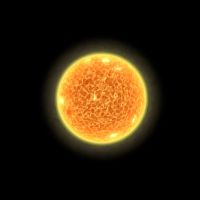
Type Category Mass (Sol) Temperature (K) Luminosity K5 V Main Sequence (Dwarf) 0.7 4300 - 4440 0.28697 Unit Diameter Safe Distance Habitable Zone Jump Shadow M-Drive Limit AU 0.0065 0.0444 0.56 - 1.01 0.65 6.5 Orbit # * * 2 2 6 Remarks None


Mainworld Data[edit]
Musayid's rotation period is 37h 11m 12s and its orbital period 146.33 standard days (94.44 local days). Axial tilt is 26 degrees, orbital eccentricity 0.05. The base temperature is 57 degrees Fahrenheit (14 degrees Celsius).
Due to volcanic activity,the thin oxygen-nitrogen atmosphere (surface pressure 0.78) is tainted with sufficient sulfur and dust to make unassisted human habitation impossible. Respiratory problems are common, and those caught outside without a functioning filter mask are generally incapacitated within an hour. 38% of the surface is covered with mildly toxic and acidic water, which requires treatment before drinking; small quantities may be taken in an emergency, but are likely to result in digestive problems. All food needs to be prepared carefully in order to remove sulfur.
Most of the surface water is concentrated in two oceans separated by a high mountain chain. The Barid Ocean surrounds the North Pole. Ice at the surface is seasonal (except in the far North); volcanic activity on the sea bed keeps much of the ocean's water above freezing for most of the year. The larger ocean, Kabiyra, straddles the equator; inhabited land is concentrated close to its shores. The undeveloped land in the temperate band around the equator is mainly forest and scrub, with large areas of mountainous terrain away from the oceans. Land further to the North and South is tundra and ice. Mineral resources are abundant, with particularly large supplies of fossil fuels, iron ore, sulfur, and tin. The neighboring Magash system has insufficient iron to support its shipbuilding, making steel Musayid's most important single export; timber and bulk chemicals are also significant. Petrochemicals are the main source of power.
Flora & Fauna[edit]
Musayid's seas are rich in both plant and animal life, mostly native to the world. Because there has been no connection between the two oceans for a very long time, the species living in Barid are very different from those of Kabiyra, although they share common ancestry. No species has developed a backbone, and vertebrates introduced from other worlds have not fared well due to the tainted water. The dominant animals are either soft-bodied (like jellyfish) or shelled (like crabs and trilobites), but there are many highly specialized communities clustered around volcanic vents.
Life on land is dominated by the trees. Of greatest importance to locals is the Qaloba, a reddish hardwood growing in the mid-latitudes and producing excellent timber. The trees grow slowly, taking 60-70 years to reach maturity, and are currently being cut down at an unsustainable rate. Of more interest to Imperial botanists is the Qabiylapa, one of several species across the Imperium in which individual trees link roots and branches with their neighbors to form a continuous net spanning entire forests. They grow throughout the North, and are studied for the way they cushion each other during earthquakes.
The lack of a backbone has kept land animals small, although many have developed proper lungs and so are not as restricted as Terran invertebrates. The largest are the megapedes, which can reach 4' high and 20' long, but these slow, herbivorous, caterpillar-like giants are no danger to people. More problematic are the locust-like Devourers and the Hamoda Toad, a burrowing creature that excretes sulfuric acid when disturbed.
History & Background (Dossier)[edit]
Musayid was first surveyed in 88. Despite its inhospitable atmosphere it was a potentially profitable link on the route to the Spinward Main, and a colony was soon established. Naming the world after a port of old Terra, the inhabitants focused on building up the infrastructure necessary to support transient traffic. Their hopes were dashed as developing trade found other routes, and Musayid entered a long period of economic hardship.
Meanwhile, neighboring Magash -- two parsecs away at the spinward end of the Sabinar Main -- prospered. This small vacuum world lacked many of the resources it needed to support its growing population, and a group of entrepreneurs from Ashirahikag Caverns decided that Musayid held the answer. Needing both workers and financial backing, they launched a massive recruitment campaign, taking the original Musayid's history as an Arabian oil-exporting port and adding a generous dose 1001 Nights fantasy to create the impression of a wonderland.
At first, the project was welcomed by the established colony, with the new industry providing much-needed employment and a restored sense of optimism about the future. It soon became apparent, however, that all the best-paid jobs were reserved for Magashans, and that working conditions were not as advertised. The Musayid Development Council responded to growing unrest by bringing in more offworld workers and by deliberately promoting divisions within the workforce. The only local people to do well were those controlling the starport.
Musayid's population grew rapidly, and the MDC became the de facto government. Searching for more sources of extrastellar income, they offered cheap labor, low taxes, and a lack of regulation as incentives for businesses to set up on Musayid. Most of the labor was provided by Garoba Bay Colonials, one of the lowest-status groups on the planet.
By the late 8th century, divisions in the population were so pronounced that people's opportunities were defined almost entirely by their ancestry and birthplace. Violence was on the increase, with frequent riots and demonstrations; the social manipulation that had helped the MDC in the early years was now disrupting the economy. A subsector-wide slump added to the problems, causing mass unemployment during the 820s.
In 876, the situation suddenly worsened when a group of Magashan security officers opened fire on demonstrators in the city of Duhan, and Musayid found itself embroiled in a bitter civil war. Extrastellar Imperial mediators did their best, but despite several cease-fires chaos reigned until the formation of Prince Shahriar's military government in 1068. By 1080, most of the fighting was over and people were looking to rebuild.
Unlike the MDC, the new regime emphasized the common plight of Musayid's people. Economically, the world was a mess; two centuries of violence had destroyed everything previous generations had built (including the starport, bombed in 998). Prince Shahriar exhorted the people to act together to create a prosperous, fair -- and above all, safe -- society. Initially, the new government had to focus on its own immediate security, and stringent laws were introduced. It was made an offense for anyone other than government forces to possess weapons; movement and assembly were strictly controlled; a curfew was introduced; and the task of registering all surviving citizens began. Most welcomed the measures, seeing them as necessary to protect the fragile peace. Those who didn't were dealt with in one of two ways. The groups who refused to lay down their arms were hunted down and killed, while those who restricted their rebellion to verbal attacks on the government were given an opportunity to speak -- although always alongside government supporters whose duty was to counter their arguments.
In 1079, having built up the confidence of his people, the Prince announced the first phase of his recovery plan. His most controversial (and most bitterly resisted) edict was the enforced mixing of ethnic groups; he regarded this as a necessary tactic to avoid future sectarian violence. The order was sweetened by the accompanying economic program, a practical scheme to rebuild Musayid in a short time, and by the transformation of the Revolutionary Army into a police force.
In the past 40 years, the plan has progressed well. After an initial period focusing purely on internal development, the world has been opened up to extrastellar investment. The starport's main buildings are three cutter modules (Class I Starport, Portable Shop, Recreation) with additional locally-built structures. At the current rate of expansion, the port will be due for reclassification as Class II (D) within a decade.
References & Contributors (Sources)[edit]
- Rob Caswell. "Domain of Deneb: Sector Data." MegaTraveller Journal 3 (1992): 47-58.
- Dave Nilsen. The Regency Sourcebook (Game Designers Workshop, 1995), 56.
- Peter Gray - Traveller TNE Mailing List Lights of the Midway: Worlds of Sabine Subsector published 8 August 2001
- JTAS Online Campaign Setting: Musayid by John G. Wood published June 25, 2002
- JTAS Online Short Adventure: The Augury War By Michael Brown published August 17, 2004
- Mongoose Traveller: Deneb Sector (UWP only)
- External Link: Sunbane Data
- External Link: Peter Gray - BARD OPAL 8573
- ↑ "Jump Map API" and map location from Travellermap.com